



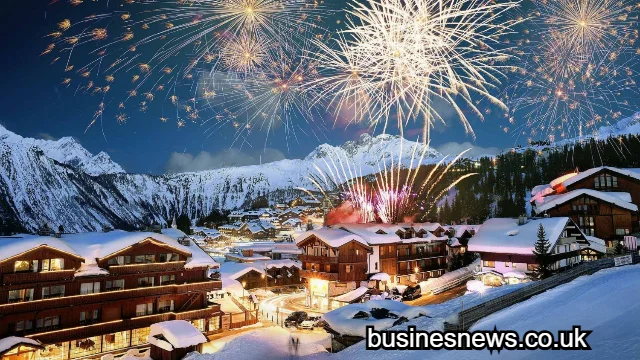

When people talk about Courchevel, they usually mention luxury skiing, world-class resorts, and breathtaking Alpine views. But one factor quietly shapes the entire experience: Courchevel weather. Whether you’re planning a winter ski trip or a summer mountain escape, understanding the local climate can make or break your visit.
Courchevel sits high in the French Alps, and its weather is influenced heavily by altitude, seasonal patterns, and Alpine geography. This means conditions can change quickly, but they also follow predictable trends throughout the year. In this guide, we’ll explore Courchevel weather in detail—season by season—so you know exactly what to expect before packing your bags.
Understanding Courchevel’s Alpine Climate
Courchevel weather is classified as a high-altitude Alpine climate, which means cooler temperatures year-round, significant snowfall in winter, and mild, refreshing summers. The resort spans multiple altitude levels, from Courchevel Le Praz at around 1,300 meters to Courchevel 1850, which sits much higher. This variation directly affects temperature, snowfall, and wind conditions.
One of the defining characteristics of Courchevel weather is how altitude impacts daily conditions. Higher elevations tend to be colder and snowier, while lower villages experience slightly warmer temperatures and earlier snowmelt. This is great news for visitors because it creates diverse conditions within a single destination, catering to different preferences.
Another important factor is the Alpine microclimate. Courchevel benefits from surrounding mountain ranges that often shield it from extreme storms while still allowing steady snowfall during winter. As a result, weather conditions are generally stable compared to other high-altitude resorts, making Courchevel a reliable choice for both winter sports and summer travel.
Courchevel Weather in Winter: Snow, Cold, and Ski Perfection
Winter is when Courchevel truly shines, and the weather plays a huge role in its reputation as a world-class ski destination. From December through March, temperatures typically range from -10°C to 5°C (14°F to 41°F), depending on altitude and time of day. Nights are cold, while daytime temperatures often feel surprisingly comfortable under clear skies.
Snowfall is one of the strongest highlights of Courchevel weather in winter. Thanks to its elevation and advanced snowmaking infrastructure, the resort enjoys consistent snow coverage throughout the ski season. Natural snowfall is frequent, especially from January to February, ensuring excellent piste conditions and powder days for off-piste enthusiasts.
Another advantage of Courchevel’s winter weather is visibility. While storms do roll in, many winter days are crisp and sunny, creating that classic Alpine postcard look. Cold mornings often give way to bright afternoons, which is ideal for long ski days and après-ski relaxation on sunny terraces.
Spring Weather in Courchevel: A Transitional Beauty
Spring in Courchevel is often overlooked, but it offers a fascinating mix of winter and summer conditions. From late March through May, Courchevel weather becomes milder, with daytime temperatures gradually rising above freezing. Lower-altitude areas begin to feel spring-like, while higher slopes still maintain solid snow coverage.
One of the biggest advantages of spring weather is longer daylight hours. The sun sits higher in the sky, warming the slopes and creating comfortable skiing conditions, especially in the mornings. Snow tends to be firmer early in the day and softer by afternoon, making timing important for skiers.
Spring also brings more variable weather patterns. You might experience sunny mornings followed by afternoon clouds or light snow showers at higher elevations. This mix makes Courchevel weather in spring dynamic but exciting, especially for visitors who enjoy fewer crowds and a more relaxed mountain atmosphere.
Summer Weather in Courchevel: Fresh Air and Alpine Calm
Summer completely transforms Courchevel, and the weather becomes one of its biggest assets. From June to September, temperatures usually range between 15°C and 25°C (59°F to 77°F), offering a refreshing escape from the heat found in lower regions of France and Europe.
Courchevel weather in summer is characterized by cool mornings, warm afternoons, and pleasantly crisp evenings. This makes it ideal for outdoor activities like hiking, mountain biking, golfing, and paragliding. Unlike winter, when conditions revolve around snow, summer weather highlights green landscapes, wildflowers, and clear mountain trails.
Rainfall in summer is generally moderate and often comes in short bursts, especially in the late afternoon. Thunderstorms can occur, but they rarely last long. Overall, summer weather in Courchevel is stable, comfortable, and perfect for travelers looking for nature, tranquility, and outdoor adventure without extreme heat.
Autumn Weather in Courchevel: Quiet, Cool, and Atmospheric
Autumn is the quietest season in Courchevel, and the weather reflects this peaceful transition. From late September to November, temperatures begin to drop steadily, ranging from 5°C to 15°C (41°F to 59°F). The air becomes crisp, and the first signs of winter slowly appear.
Courchevel weather in autumn is known for its dramatic beauty. Clear skies, golden forests, and snow-dusted peaks create stunning scenery. While some facilities begin to close in preparation for winter, this season is perfect for travelers who value solitude and scenic walks.
As November approaches, snowfall becomes more frequent at higher elevations, signaling the upcoming ski season. Weather conditions can change quickly during this time, but that unpredictability adds to autumn’s charm. For photographers and nature lovers, autumn offers some of the most atmospheric weather Courchevel has to offer.
How Courchevel Weather Affects Travel Planning
Understanding Courchevel weather is essential when planning your trip, as it influences everything from packing to activity choices. Winter travelers need proper cold-weather gear, while summer visitors should prepare for layered clothing due to temperature changes between day and night.
Weather also affects transportation. Heavy snowfall in winter can occasionally impact road conditions, although Courchevel is well-equipped with snow-clearing services. In contrast, summer travel is generally smooth, with clear roads and excellent visibility throughout the region.
Most importantly, Courchevel weather allows visitors to tailor their experience. Skiers, hikers, families, and luxury travelers all benefit from predictable seasonal patterns. Knowing what the weather will likely be like helps you make the most of your time, regardless of when you visit.
Final Thoughts on Courchevel Weather
Courchevel weather is one of the destination’s greatest strengths. From snowy, sunlit winters to cool, refreshing summers, the climate enhances every aspect of the experience. Its Alpine setting provides reliable seasonal conditions without extreme unpredictability.
What makes Courchevel truly special is how the weather complements its lifestyle. Skiing feels better under clear winter skies, summer hikes are more enjoyable in mild temperatures, and even quiet autumn days carry a unique charm. Each season offers something distinct, shaped by the weather itself.
If you’re planning a trip to the French Alps, understanding Courchevel weather gives you a major advantage. With the right expectations and preparation, you’ll discover that no matter the season, Courchevel delivers an exceptional experience—powered by nature and perfected by altitude.