



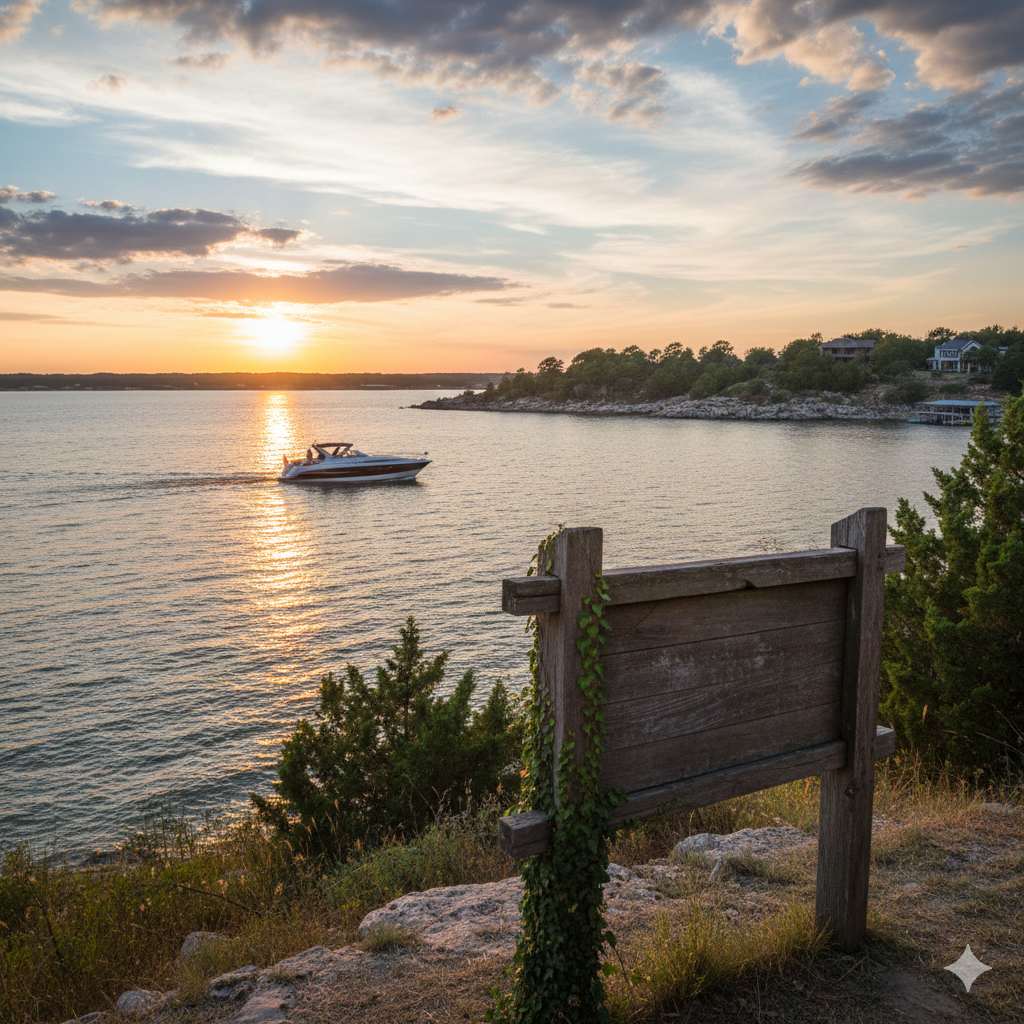

When writing about famous Lake Texoma Should Be Capitalized locations, bodies of water, or landmarks, it’s easy to overlook capitalization rules. However, knowing when to capitalize a term like Lake Texoma is essential for proper grammar, professionalism, and clear communication. In this guide, we will explore why “Lake Texoma should be capitalized”, along with the broader rules of proper nouns that make this more than just a stylistic choice.
What Makes a Proper Noun?
A proper noun is the official name of a specific person, place, or thing. Unlike common nouns, which are general (like lake, river, or city), proper nouns are unique identifiers. For example, “lake” is a general noun, but Lake Texoma is a specific body of water that straddles the Texas-Oklahoma border. Proper nouns always start with capital letters, signaling to readers that they are unique and identifiable.
Why ‘Lake Texoma’ Is a Proper Noun
The term Why ‘Lake Texoma Should Be Capitalized’: A Complete Guide to Proper Noun Rules refers to a specific lake created by the Denison Dam on the Red River. Because it is a unique geographic location, it qualifies as a proper noun. Writing it as lake texoma or Lake texoma is grammatically incorrect and can undermine your credibility. Capitalization in this context ensures clarity and accuracy, especially in educational, journalistic, or professional writing.
Common Mistakes in Capitalizing Geographical Names
Many writers mistakenly use lowercase for lakes, rivers, mountains, and cities. Phrases like the lake texoma is beautiful appear in casual writing, but this is technically wrong. The proper approach is capitalizing both words, as in Lake Texoma Should Be Capitalized. This rule applies to all named geographic features: Mount Everest, Mississippi River, or Grand Canyon. The first word signals the category, while the second word identifies the unique feature.
Capitalization Rules for Bodies of Water
Bodies of water follow clear rules for capitalization. If the name is generic, like lake, river, or pond, it is lowercase. If the name is specific, the entire proper noun is capitalized. For instance, lake alone is lowercase, but Lake Texoma Should Be Capitalized. This principle applies globally, whether you’re writing about Lake Victoria in Africa or Lake Tahoe in the United States.
How Capitalization Affects SEO and Readability

Using proper Lake Texoma Should Be Capitalized doesn’t just improve grammar—it also boosts readability and search engine optimization (SEO). Search engines treat proper nouns as specific search terms. Writing “Lake Texoma” correctly ensures your content aligns with user intent and improves visibility for queries related to the lake. In contrast, lowercase or inconsistent capitalization can confuse both readers and search engines.
Proper Nouns in Sentences: Best Practices
When incorporating proper nouns like Lake Texoma into sentences, consistency is key. Always capitalize both words, even when using possessive or descriptive forms:
- Correct: We spent the summer at Lake Texoma.
- Correct: Lake Texoma’s fishing opportunities are unmatched.
- Incorrect: We spent the summer at lake texoma.
Following this rule maintains professionalism and avoids ambiguity.
Exceptions and Special Cases
While most geographic proper nouns follow the capitalization rule, some informal or poetic contexts may allow for lowercase styling, such as in creative writing or artistic branding. However, in professional, academic, or SEO-focused writing, proper capitalization remains non-negotiable. For instance, even if a travel blog casually wrote lake texoma, it would be less authoritative and harder to rank in search engines.
Why Grammar Guides Emphasize Capitalization
Grammar and style guides, including the Chicago Manual of Style and AP Stylebook, stress the importance of capitalizing proper nouns. They emphasize that every named geographic feature, person, organization, or landmark should start with a capital letter. Following these guidelines not only avoids errors but also demonstrates attention to detail and credibility.
Practical Tips for Remembering Proper Noun Capitalization
A simple way to remember proper noun rules is to ask: “Is this a unique name?” If yes, capitalize it. Think of lakes, rivers, mountains, countries, and cities. Using this rule, Lake Texoma should be capitalized every time. Keeping a style checklist for your writing can help avoid mistakes, especially when working on content that mentions multiple locations or landmarks.
Conclusion: Always Capitalize ‘Lake Texoma’
In short, capitalization is more than a grammatical preference—it’s a rule that communicates accuracy and professionalism. Lake Texoma is a proper noun because it is a unique geographic location, and both words must always be capitalized. Following proper noun rules ensures your writing is correct, credible, and reader-friendly. So next time you mention this iconic lake, remember: Lake Texoma should be capitalized—no exceptions.