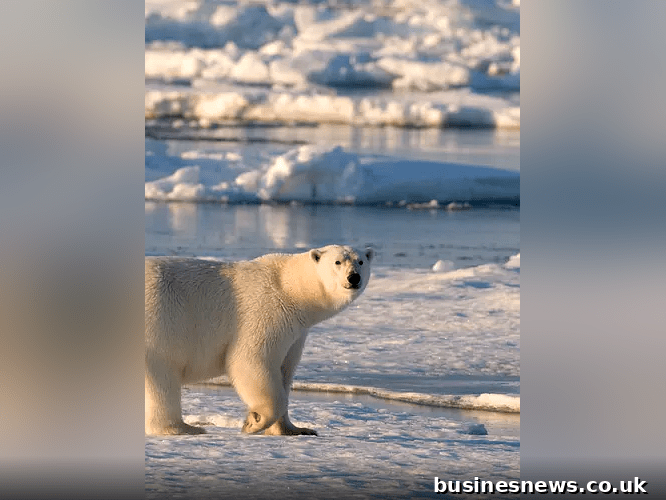
Have you ever wondered what a polar bear needs to survive in one of the coldest places on Earth? These magnificent creatures call the Arctic home. They face temperatures that plummet to -50°F. Yet they thrive in this frozen world. How do they do it?
Polar bears are perfectly built for life on the ice. Their bodies are like survival machines. Everything about them helps them stay warm, hunt food, and raise their young. But what does a polar bear need to survive exactly? The answer goes beyond just food and shelter.
These animals need sea ice to hunt seals. They need thick blubber and fur to stay warm. They need patience and skill to catch their prey. And they need enough fat reserves to survive when food is scarce. Climate change is making all of this harder.
In this article, we will explore everything a polar bear needs to survive. We will look at their amazing physical adaptations. We will see how they hunt and what they eat. We will learn about their challenges in a warming world. This is a complete guide to polar bear survival.
Table of Contents
Understanding Polar Bear Survival Needs
A polar bear’s survival relies on several interconnected factors. It all starts with their environment. The Arctic sea ice is their hunting platform. It is also their traveling highway and resting place.
Polar bears are classified as marine mammals. They spend most of their lives on or near the sea ice. Their scientific name is Ursus maritimus. This means “sea bear.” And for good reason. They depend completely on the ocean and its frozen surface.
But what does a polar bear need to survive in this icy habitat? First, they need access to their main prey. This is mostly ringed seals. These seals are rich in fat. Second, they need to maintain body heat in extreme cold. This requires specialized physical features. Third, they need enough fat storage. This helps them survive when food is not available.
Scientists have studied polar bears for decades. They have discovered that polar bears are fasting specialists. This means they can go for long periods without eating. They live off their fat reserves during the summer months. This is critical for their survival.
Physical Adaptations for Arctic Survival
What does a polar bear need to survive the freezing Arctic cold? Their physical features provide the answer. Every part of their body helps them endure the extreme temperatures.
Dual Layers of Fur and Insulation
Polar bears have two layers of fur. This keeps them incredibly warm. The outer layer is made of long, stiff guard hairs. These hairs are hollow and transparent. They look white, but they really have no pigment. This coloration provides camouflage in the snow.
The inner layer is a dense, thick undercoat. This traps heat close to their bodies. The hollow hairs also trap air. This provides extra insulation. When wet, water rolls right off the guard hairs. This keeps the bear dry.
Between the fur and their skin is a thick layer of blubber. This fat can be up to 4.5 inches thick. The blubber stores energy and insulates them. It also helps them float while swimming. Unlike other bears, polar bears do not hibernate. Their thick insulation allows them to hunt all winter.
Black Skin and Heat Absorption
Underneath all that white fur, polar bears have black skin. This might seem strange. Why would a white bear have black skin? It helps absorb heat from the sun. This black skin warms them up even on cold days.
Their nose is the only visible part of their black skin. The rest is hidden beneath their dense coat. This clever adaptation helps them use the sun’s rays. It gives them a little extra warmth. In the Arctic, every bit of heat helps.
Small Ears and Compact Body
Polar bears have small ears and a short tail. This is not an accident. Their small ears help prevent heat loss. Large ears would lose more warmth in the cold air. Their compact body shape also conserves heat. A short tail means less exposed skin.
Their size also plays a role in staying warm. Adult male polar bears can weigh over 1,500 pounds. They are tall too. They may stand over 10 feet tall on their hind legs. Their large body mass helps them generate and retain heat. This is what a polar bear needs to survive the Arctic’s brutal winters.
Paws and Claws: Tools for Hunting
What does a polar bear need to survive when hunting and moving on ice? Their paws and claws are essential. They are designed for both walking and swimming.
Non-Slip Paws
Polar bear paws are the size of dinner plates. They can measure up to 12 inches across. These large paws distribute their weight. This prevents them from falling through thin ice. It acts like a built-in snowshoe.
The bottom of each paw has small bumps. These are called papillae. They grip the ice and prevent slipping. Tufts of fur between their toes also help. The fur muffles their steps when sneaking up on seals. This adaptation is what a polar bear needs to survive its stealthy hunts.
Webbed Feet for Swimming
Polar bears are powerful swimmers. Their paws are slightly webbed. This helps them paddle through the water. They use their large front paws like paddles. Their hind legs act like rudders for steering.
They can swim for long distances. Some bears have been seen swimming over 60 miles without resting. As the sea ice melts, they must swim even farther. Their swimming ability is a crucial survival skill.
Strong Claws
Polar bears have thick, curved claws. They measure over two inches long. These claws help them catch and hold onto seals. They also provide traction on slippery ice.
These powerful claws are sharp and strong. They allow the bear to grip its prey. Without these claws, hunting would be very difficult. This is what a polar bear needs to survive as a top predator.
Paw Pads
The pads of their feet are covered with papillae too. These small, soft bumps are like treads on a tire. They improve traction on the ice. This helps the bear run and walk without slipping.
The combination of large size, bumps, fur, and claws makes their paws perfect. They are adapted for the harsh Arctic conditions. Every feature helps the polar bear survive.
Diet: What Polar Bears Eat
What does a polar bear need to survive in terms of food? Their diet is very specific. They depend heavily on fat-rich prey.
Primary Prey: Seals
Polar bears mainly eat ringed seals. They also eat bearded seals. These seals provide the high calories they need. A single seal can provide energy for 11 days. They typically eat every four to five days.
They hunt seals in several ways. They wait by breathing holes. They stalk seals resting on the ice. They use their incredible sense of smell to find them. A polar bear can smell a seal from 20 miles away.
Other Food Sources
Polar bears are opportunistic eaters. They will eat almost anything they can find. This includes walrus, caribou, and beached whales. They also eat grass, berries, and seaweed.
Some polar bears eat bird eggs in the summer. Others scavenge on carcasses. However, none of these provide enough energy. The calorie content is much lower than seals. This is what a polar bear needs to survive the summer fast.
Land-Based Food Challenges
Scientists have studied polar bears on land. They found that bears lose weight even when eating. They lose about one kilogram per day. This is true whether they are fasting or foraging.
Why does this happen? The energy they gain from food is canceled out. They burn energy just finding that food. A 2024 study in Nature showed this clearly. Most bears lost weight during the ice-free period. This was a surprising finding. It shows that land food cannot replace seals.
Special Diet for Special Digestion
Polar bears are uniquely adapted to eat fat. Their digestive system is built for a high-fat diet. They have trouble processing too much protein. In captivity, a high-protein diet can make them sick.
This is why seals are so important. They are rich in blubber, not protein. A high-fat diet gives polar bears the energy they need. It is what a polar bear needs to survive in the Arctic. This special diet is essential to their health.
Sea Ice: The Foundation of Their Survival
What does a polar bear need to survive more than anything? The answer is sea ice. Without sea ice, polar bears cannot survive.
The Importance of Sea Ice
Sea ice is their hunting platform. It is where they catch seals. It is also their resting and traveling ground. Polar bears use the ice to roam vast distances.
Their name, “sea bear,” reflects this dependence. They are marine mammals. They are completely adapted to the ice-covered ocean. The distribution of polar bear fossils matches sea ice history. Where the ice disappeared, the bears disappeared too.
The Ice-Free Period Challenge
Climate change is melting the sea ice. The ice-free period is growing longer. In western Hudson Bay, it has increased by 3 weeks. This is since 1979. Bears now spend about 130 days on land each year.
This forces polar bears to fast longer. They have to live off their fat reserves. This is getting harder as the ice melts earlier each year. By mid-century, this period could grow even more. This is a major threat to their survival.
What Happens When Ice Melts
When the ice melts, polar bears move to land. They find little food there. Most bears lose weight during this time. They lose body mass at alarming rates.
Researchers tracked 20 bears in Manitoba, Canada. They studied their behavior and energy use. Most bears were active and searching for food. But they still lost an average of over three pounds a day. The bears could not find enough calories on land. This confirms that polar bears rely on sea ice.
The Crisis of Climate Change
Sea ice loss is the main threat to polar bears. It is happening across the Arctic. The Arctic is warming twice as fast as the rest of the world. This is creating a conservation crisis.
Polar bears are now listed as vulnerable. Their populations are declining in some areas. The western Hudson Bay population has dropped 30% since 1980. This is a direct result of sea ice loss. Protecting sea ice is what polar bears need to survive.
Behavior and Survival Strategies
What does a polar bear need to survive in terms of behavior? They use clever strategies to conserve energy.
Resting and Sleeping
Polar bears are masters of energy conservation. They rest for up to 20 hours a day. After a big meal, they often nap. This helps them save energy between hunts.
They sleep in many places. In winter, they dig pits in the snow. They put their backs to the wind for warmth. Sometimes they sleep right through blizzards. The snow piles up on them like a blanket.
In summer, they sleep on the sea ice. They might use a paw or ice block as a pillow. On land, they dig sleeping pits in the sand or gravel. Resting is what a polar bear needs to survive.
Denning and Winter Sleep
Only pregnant female polar bears hibernate. They dig snow dens in winter. They stay inside for several months. They give birth and nurse their cubs there.
During this time, their metabolism slows down. They can go eight months without food or water. They use their fat reserves to survive. This amazing ability is what a polar bear needs to survive reproduction.
Communication and Social Behavior
Polar bears communicate in many ways. They use body language, sounds, and scents. Mothers scold cubs with low growls. They chuff when they are stressed.
Play is important for cubs. They learn fighting skills through play. Adult bears also play. They head-wag to signal they want to play. This social behavior helps them survive.
Cleanliness
Polar bears like to stay clean. Clean fur is a better insulator. Dirty, wet fur does not keep them warm. This is what a polar bear needs to survive the cold.
After eating, they wash themselves. They might spend 15 minutes in the water. Then they dry off by rolling in the snow. Mothers lick their cubs to keep them clean. This grooming is important for their health.
Reproduction and Cub Survival
What does a polar bear need to survive as a species? Reproduction is crucial. Raising cubs to adulthood is a long process.
Mating and Pregnancy
Male polar bears mate with females in the spring. The female’s body delays implantation. The fertilized egg does not attach right away. This happens in the fall if she has enough fat. This is what a polar bear needs to survive pregnancy.
Giving Birth in Dens
Pregnant females dig dens in deep snow. They usually give birth in December or January. Most mothers have twins. Newborn cubs are very tiny. They weigh only about 1.5 pounds.
The mother stays in the den with her cubs. She nurses them for several months. She does not eat or drink during this time. She uses her fat reserves for energy. This is a huge sacrifice for the mother.
Caring for Cubs
Cubs stay with their mothers for 28 months. This is a long time. They need this time to learn survival skills. Mothers teach them to hunt. They show them how to move on the ice.
Female polar bears are very protective. They aggressively defend their cubs. Male bears can be a threat. They may kill cubs. This is why mothers are so careful. Protecting cubs is what a polar bear needs to survive as a population.
The Threat of Climate Change
Climate change is affecting reproduction. As ice melts earlier, mothers have less time to hunt. They need to build enough fat before denning. Without enough fat, they might not reproduce.
Model estimates predict litter size declines. Female polar bears may have fewer cubs. This is because of longer ice-free periods. This is a serious concern for the species.
How Far Can Polar Bears Swim?
What does a polar bear need to survive long swims? They need incredible stamina and swimming ability.
Record Distances
Polar bears are known for long-distance swimming. They have been seen swimming hundreds of miles. One female swam for more than 9 days. She covered 426 miles without a stop. This is an amazing feat of endurance.
They are able to do this because of their large paws. They use their front paws for paddling. Their back legs act like rudders. Their webbed feet make them excellent swimmers. Their blubber also helps them float.
The Changing Need for Swimming
Climate change is making swimming more necessary. As ice melts, bears must travel farther. They often need to swim between ice floes. This is becoming more common. However, it uses a lot of energy.
Researchers studied polar bears on land. They found some made energetically demanding swims. One bear swam 175 kilometers. Another swam 120 kilometers. These swims were very costly. They used up vital fat reserves. This is a new challenge for polar bear survival.
Risks of Long Swims
Long swims are dangerous for polar bears. Young cubs cannot swim as well. They lack the fat to stay warm in icy water. This is why mothers avoid swimming with cubs.
Swimming also uses precious energy. This energy is needed for survival. If a bear uses too much energy swimming, they may starve. As ice continues to melt, this risk grows.
Adaptation to the Water
Despite the risks, polar bears are very capable in water. They are considered marine mammals. They spend a lot of time in and around the sea. Their physical features reflect this.
Their ears flatten when they dive. Their nostrils close to keep out water. They can see well underwater. A special eyelid protects their eyes. This is what a polar bear needs to survive in the water.
The Effect of Climate Change on Polar Bear Survival
What does a polar bear need to survive in a changing world? They need us to act on climate change. The future of their survival depends on it.
The Current Crisis
Climate change is the biggest threat. It is melting the sea ice. This ice is their essential habitat. Without it, polar bears cannot hunt. They cannot survive.
The Arctic is warming rapidly. It is warming twice as fast as the rest of the world. This is causing record-breaking sea ice losses. The ice is also getting thinner. This is a crisis for the entire Arctic ecosystem.
Consequences of Losing Sea Ice
When sea ice melts, polar bears suffer. They have to swim longer distances. This uses up their energy reserves. They also have to spend more time on land.
On land, they cannot find enough food. They lose weight. Some may starve. Scientists predict that up to 24% of adult males could die. This is if the summer fast increases to 180 days. Young bears are even more vulnerable.
Survival of the Fattest
Researchers now talk about “survival of the fattest.” This means fatter bears survive better. They have more fat reserves to live off. They can handle longer summers without ice.
Bears with less fat are at greater risk. They may not survive the ice-free period. This is especially true for cubs and subadults. They have smaller bodies and less fat. They need more food to survive.
What Can Be Done?
Protecting polar bears requires global action. We need to reduce greenhouse gas emissions. This will slow the warming of the Arctic. It will help protect the sea ice.
Conservation efforts are also important. Researchers study polar bear populations. They track their health and numbers. This helps us understand the threats. It also helps us protect them.
Why Polar Bears Need Our Help
What does a polar bear need to survive in the long run? They need human help. They are facing challenges beyond their control.
The Ultimate Test
Polar bears have survived for 200,000 years. They have adapted to the harsh Arctic. They are resilient and tough. But climate change is testing them. It is an unprecedented threat.
Scientists study polar bears to understand them. They track them using GPS collars. This research helps us learn how they survive. It also shows the challenges they face.
What We Can Do
We can all help polar bears. Reducing our carbon footprint is important. We can use energy more efficiently. We can support clean energy. We can also support conservation organizations.
Protecting the Arctic is key. This means protecting the sea ice. It means reducing pollution. It means responsible resource development. This is what a polar bear needs to survive.
Hope for the Future
The future of polar bears is uncertain. But there is hope. There are people working to save them. There are scientists studying them. There are policymakers making changes.
Polar bears are a symbol of the Arctic. They represent its wildness and beauty. Their survival depends on our actions. We have the power to make a difference.
A Call to Action
It is up to us to protect them. We need to care about the Arctic. We need to care about climate change. The fate of the polar bear is in our hands.
Frequently Asked Questions
What are 5 things polar bears need to survive?
Polar bears need sea ice for hunting, seals for food, thick blubber for insulation, strong paws for swimming and walking on ice, and fat reserves to survive when food is scarce.
What do polar bears need in their habitat?
Polar bears need Arctic sea ice habitat. They rely on the ice as a platform for hunting seals. They also need access to ringed seals, which are their primary prey. They require cold temperatures to maintain the sea ice cover.
How do polar bears survive?
Polar bears survive through many physical and behavioral adaptations. Their thick fur and blubber keep them warm. Their large paws help them walk on ice and swim. They are patient hunters that can wait for hours at seal breathing holes. They also conserve energy by resting frequently and can fast for months.
What 5 things do polar bears eat?
Polar bears mainly eat ringed seals and bearded seals. They also eat walrus, beluga whales, caribou, and fish. On land, they consume berries, grasses, bird eggs, and seaweed. They will also scavenge on carcasses of beached whales.
What are 3 interesting facts about polar bears?
- Polar bears have black skin under their white fur. The black skin helps absorb heat from the sun. 2. Their fur is not actually white. Each hair is clear and hollow. The hairs scatter and reflect light, making them look white. 3. They can smell a seal from almost 20 miles away. This incredible sense of smell helps them find prey on the ice.
What helps polar bears survive?
Many things help polar bears survive. Their physical adaptations include thick fur, black skin, a layer of blubber, large paws, and strong claws. Their hunting skills are also key, along with their ability to fast for long periods. Their behavioral strategies like resting, sleeping in snow shelters, and communicating with other bears help them survive.
Conclusion
What does a polar bear need to survive? The answer is many things. They need the sea ice. They need seals to eat. They need their amazing physical adaptations. They need the ability to fast for months. They need to conserve energy. They need to raise their young successfully.
Polar bears are marvels of evolution. They are built for the Arctic’s harsh conditions. Their thick fur and blubber keep them warm. Their large paws help them walk on ice and swim. Their strong sense of smell helps them find prey. These are all amazing adaptations that help them thrive.
But climate change is making survival harder. The sea ice is melting. This is their hunting ground. Without ice, they cannot catch their main prey. They are being forced to spend more time on land. On land, food is scarce. This is a major threat to their survival.
We have a responsibility to help. We must reduce our carbon footprint. We must fight climate change. We must protect their Arctic habitat. The polar bear is an icon of the wild. It is a symbol of the beauty of our planet. We need to ensure their survival for future generations. Their future depends on our actions today.
What does a polar bear need to survive? Ultimately, they need us. They need us to care about their fate. They need us to take action. Their survival is in our hands.