



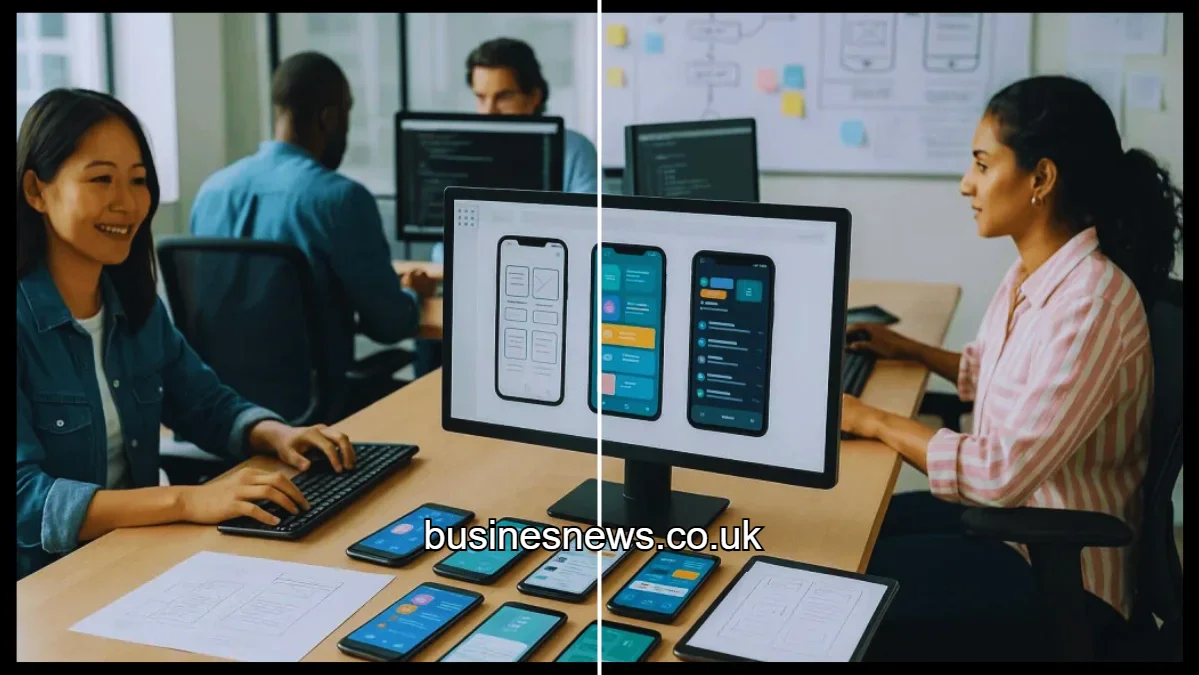

The world of mobile technology is evolving at a pace that even seasoned developers sometimes struggle to keep up with. One of the most interesting developments in recent years is the rise of the application mobile dualmedia concept. This approach blends multiple forms of media into a single mobile application experience, creating richer, more engaging, and more effective digital products.
At its core, an application mobile dualmedia solution focuses on combining two or more media types—such as video and text, audio and visuals, or interactive graphics and real-time data—within one cohesive mobile app. Instead of treating content formats as separate layers, dualmedia integrates them seamlessly, allowing users to consume information in the way that feels most natural to them.
As mobile devices become more powerful and users demand higher-quality experiences, dualmedia applications are no longer a luxury—they are becoming an expectation. Businesses, creators, and developers who understand this shift are positioning themselves ahead of the curve.
Understanding the Core Concept of Application Mobile DualMedia
The idea behind an application mobile dualmedia strategy is simple, but its execution requires expertise. Rather than relying on a single type of content delivery, dualmedia applications use multiple formats simultaneously to enhance communication and usability. For example, a fitness app might pair instructional videos with real-time text feedback and audio cues.
This approach works because people absorb information differently. Some users prefer reading, others learn visually, and many benefit from a combination of both. By merging media formats, a dualmedia mobile application ensures that no user feels left out or overwhelmed by a single mode of interaction.
From a technical standpoint, building an application mobile dualmedia platform involves careful planning. Developers must consider performance optimization, media synchronization, and responsive design. When done correctly, the result feels smooth and intuitive rather than cluttered or distracting.
Another important aspect is storytelling. Dualmedia apps are excellent at guiding users through a narrative, whether it’s an onboarding flow, a learning journey, or a product demonstration. The mix of visuals, sound, and text creates a layered experience that keeps users engaged longer than traditional single-media apps.
Why Application Mobile DualMedia Is Gaining Massive Popularity
The growing popularity of application mobile dualmedia solutions is not accidental. User behavior has shifted dramatically over the past decade. People now expect mobile apps to deliver fast, immersive, and personalized experiences. Dualmedia delivers exactly that by speaking to users on multiple sensory levels.
One major driver behind this trend is social media. Platforms that combine video, captions, music, and interactive elements have trained users to expect rich content everywhere. When users open a mobile app that feels flat or outdated, they quickly lose interest. Dualmedia applications meet modern expectations without forcing users to switch platforms.
Another reason for the rise of application mobile dualmedia is improved mobile hardware. Smartphones now support high-resolution displays, advanced audio processing, and powerful GPUs. This makes it easier than ever to deliver complex media experiences without compromising performance or battery life.
From a business perspective, dualmedia apps also show better engagement metrics. Users tend to spend more time in apps that stimulate multiple senses, and higher engagement often translates into better retention, conversions, and brand loyalty. For companies, investing in dualmedia is not just a design choice—it’s a strategic one.
Key Use Cases of Application Mobile DualMedia Across Industries
One of the most exciting aspects of application mobile dualmedia is its versatility. This approach is not limited to one industry or niche. In fact, it’s being adopted across education, healthcare, entertainment, e-commerce, and even enterprise solutions.
In education, dualmedia mobile applications are transforming how people learn. Instead of static textbooks or plain video lectures, students can interact with content through videos paired with explanations, quizzes, and audio narration. This layered approach improves comprehension and retention, especially for complex subjects.
Healthcare apps are another strong example. A medical application mobile dualmedia platform can combine visual diagrams, spoken instructions, and written guidance to help patients understand diagnoses or treatment plans. This reduces confusion and empowers users to take control of their health.
E-commerce brands also benefit heavily from dualmedia. Product pages that include videos, images, descriptions, and interactive elements perform better than text-only listings. A well-designed dualmedia mobile app allows customers to explore products more confidently, leading to fewer returns and higher satisfaction.
Even enterprise and productivity apps are embracing this model. Training modules, dashboards, and internal tools now use a mix of charts, videos, and text explanations to communicate information more efficiently. This proves that application mobile dualmedia is not just about creativity—it’s about clarity.
Technical and Design Considerations for DualMedia Mobile Applications
Creating a successful application mobile dualmedia experience requires more than just adding videos and audio to an app. The real challenge lies in balancing media elements so they enhance the experience rather than overwhelm the user.
From a technical standpoint, performance is critical. Media-heavy apps can quickly become slow or unstable if not optimized properly. Developers must use efficient compression techniques, adaptive streaming, and caching strategies to ensure smooth playback and fast load times.
Design also plays a crucial role. Dualmedia does not mean clutter. In fact, the best dualmedia applications feel clean and intuitive. Designers must carefully consider layout, spacing, and timing so that different media elements complement each other instead of competing for attention.
Accessibility is another important factor. A professional application mobile dualmedia solution should support captions, adjustable text sizes, and alternative navigation options. This ensures that users with different abilities can still enjoy the full experience.
Finally, testing is essential. Dualmedia apps must be tested across devices, screen sizes, and network conditions. What works perfectly on a high-end phone with fast internet may fail on older devices or slower connections. Expert developers plan for these scenarios from the beginning.
The Future of Application Mobile DualMedia
Looking ahead, the future of application mobile dualmedia is incredibly promising. As technologies like augmented reality, artificial intelligence, and 5G become more mainstream, dualmedia experiences will become even more immersive and intelligent.
AI-driven personalization will allow mobile apps to adjust media formats based on user behavior. For example, if a user prefers watching videos over reading text, the app can prioritize video content automatically. This level of adaptability will redefine user experience standards.
Augmented reality will also play a significant role. Imagine an application mobile dualmedia platform that overlays visual instructions on real-world objects while providing audio guidance and text explanations. This kind of interaction will feel natural, intuitive, and incredibly powerful.
From a strategic perspective, businesses that adopt dualmedia early will have a competitive advantage. Users remember experiences that feel engaging and effortless, and dualmedia delivers exactly that. As expectations continue to rise, single-media apps will struggle to keep up.
Ultimately, application mobile dualmedia is not just a trend—it’s a natural evolution of how we communicate and interact with technology. Developers and brands that understand this shift are shaping the future of mobile experiences.
Final Thoughts
The rise of application mobile dualmedia marks a significant shift in mobile app development and user experience design. By combining multiple forms of media into a single, cohesive platform, developers can create applications that are more engaging, accessible, and effective.
Whether you’re building an educational tool, a healthcare solution, an e-commerce platform, or an enterprise app, dualmedia offers a smarter way to connect with users. It respects different learning styles, enhances storytelling, and leverages the full power of modern mobile devices.
As someone looking to stay ahead in the digital space, understanding and embracing application mobile dualmedia is no longer optional. It’s a forward-thinking approach that aligns perfectly with how users consume content today—and how they will expect to consume it tomorrow.