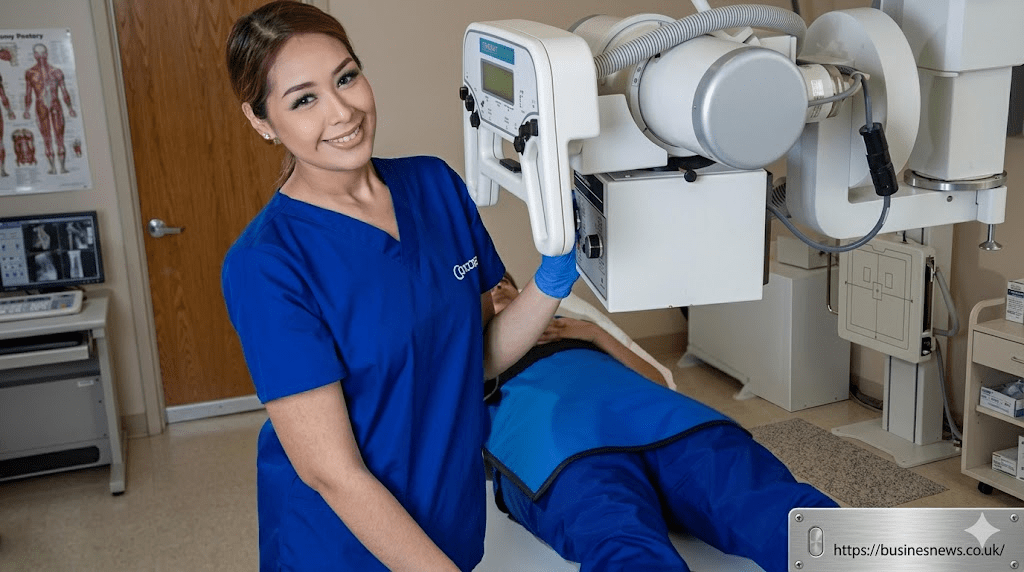
Choosing a healthcare career can feel overwhelming. Many students want a stable profession that offers good pay, growth opportunities, and meaningful work. That is why online radiology tech degrees have become increasingly popular. These programs help students learn the skills needed to work with medical imaging technology while enjoying flexible learning options.
Today, many colleges offer hybrid and online learning formats that make education more accessible. Students can complete much of their coursework from home while gaining hands-on clinical experience in approved healthcare facilities. Whether you are a recent high school graduate or a working adult seeking a career change, understanding how online radiology tech degrees work can help you make a smart decision.
This guide covers everything you need to know, including accreditation, costs, certification requirements, salary expectations, career opportunities, and tips for choosing the right program.
What Are Online Radiology Tech Degrees?
Online radiology tech degrees are educational programs designed to prepare students for careers in medical imaging. These programs teach anatomy, patient care, radiation safety, imaging procedures, and healthcare ethics. Students learn how to operate imaging equipment and help physicians diagnose injuries and illnesses.
Although the academic portion may be completed online, clinical training remains an important requirement. Students typically complete supervised clinical rotations at hospitals, imaging centers, or healthcare facilities near their location. This combination of online coursework and hands-on practice creates a balanced learning experience.
Many accredited programs offer associate degrees, while some schools provide bachelor’s degree options. Graduates become eligible for professional certification exams and entry-level radiologic technologist positions.
Why Students Choose Online Learning for Radiology Technology
One major advantage of online radiology tech degrees is flexibility. Traditional classroom schedules can be difficult for working adults and parents. Online learning allows students to access lectures, assignments, and study materials at convenient times.
Another benefit is reduced commuting costs. Students save money on transportation and can study from almost anywhere with internet access. Many learners also appreciate the ability to review recorded lectures multiple times.
From personal observation, students often perform better when they can study at their own pace. Online education creates opportunities for better time management while still maintaining academic quality and professional standards.
How Online Radiology Tech Programs Work
Most online radiology tech degrees use a hybrid format. General education and theory-based courses are delivered online through learning management systems. Students complete assignments, participate in discussions, and take exams digitally.
Clinical education takes place in healthcare facilities. During these rotations, students learn patient positioning, imaging procedures, equipment operation, and safety protocols. Clinical instructors evaluate student performance and ensure competency development.
This combination helps students gain practical experience while enjoying the convenience of online learning. Employers value graduates who have completed both rigorous coursework and hands-on clinical training.
Types of Online Radiology Tech Degrees
Students can choose from several educational pathways depending on career goals.
| Degree Type | Typical Duration | Best For |
| Associate Degree | 18-24 Months | Entry-level radiologic technologists |
| Bachelor’s Degree | 4 Years | Advanced career opportunities |
| Certificate Program | 12-18 Months | Healthcare professionals seeking specialization |
| Post-Primary Certification | Varies | Existing imaging professionals |
Associate degrees remain the most common option for entering the field. Bachelor’s programs may provide additional leadership, management, and advanced imaging opportunities.
Accreditation Matters More Than Anything
When researching online radiology tech degrees, accreditation should be your top priority. Accredited programs meet educational standards recognized by employers, licensing agencies, and certification organizations.
Accreditation ensures students receive quality instruction, proper clinical training, and eligibility for professional examinations. Graduating from a non-accredited program can create barriers when seeking employment or certification.
Always verify accreditation status before enrolling. This simple step can protect your investment and improve long-term career opportunities.
Courses You Can Expect to Study
Students enrolled in online radiology tech degrees complete a variety of healthcare and imaging courses. The curriculum combines science, patient care, and technical training.
Common subjects include:
- Human anatomy and physiology
- Radiation physics
- Medical terminology
- Imaging procedures
- Patient care techniques
- Radiation protection
- Pathology fundamentals
- Clinical radiography
- Healthcare ethics
- Medical imaging technology
These courses build the knowledge needed to perform imaging procedures safely and accurately.
Clinical Training Requirements
Clinical experience remains a critical part of every radiology technology program. Even the most flexible online radiology tech degrees require supervised practical training.
Students work directly with patients under experienced technologists and healthcare professionals. Clinical rotations expose learners to real-world situations, equipment, and healthcare environments.
During training, students learn proper positioning techniques, image evaluation, communication skills, and patient safety procedures. This hands-on component helps bridge the gap between classroom learning and professional practice.
Certification and Licensing After Graduation
After completing online radiology tech degrees, graduates typically pursue professional certification. Certification demonstrates competency and can improve employment opportunities.
Many employers prefer certified radiologic technologists because certification confirms professional knowledge and skills. Depending on state requirements, graduates may also need licensing before practicing professionally.
Preparing for certification examinations should begin during school. Consistent study habits and strong clinical performance can improve exam success rates.
Career Opportunities for Radiology Tech Graduates
Graduates of online radiology tech degrees can work in many healthcare settings. Demand for skilled imaging professionals remains strong due to growing healthcare needs and advances in medical technology.
Common workplaces include:
- Hospitals
- Outpatient imaging centers
- Physician offices
- Emergency departments
- Specialty clinics
- Mobile imaging services
- Diagnostic centers
Career growth opportunities may include advanced imaging specialties, supervisory positions, education roles, or healthcare administration.
Salary Expectations and Job Outlook
Many students pursue online radiology tech degrees because of the attractive earning potential. Salaries vary based on education, experience, geographic location, and specialization.
Radiologic technologists often enjoy competitive compensation packages that may include healthcare benefits, retirement plans, and continuing education support. Advanced certifications can further increase earning potential.
Healthcare employment trends suggest ongoing demand for diagnostic imaging professionals. As medical imaging becomes increasingly important in patient care, qualified technologists are expected to remain valuable members of healthcare teams.
How to Choose the Best Online Radiology Tech Degree Program
Selecting the right school requires careful research. Not all programs offer the same quality, support, or clinical opportunities.
Consider these factors:
| Evaluation Factor | Why It Matters |
| Accreditation | Essential for certification and employment |
| Clinical Partnerships | Provides quality hands-on training |
| Graduation Rates | Reflects program effectiveness |
| Certification Pass Rates | Indicates student success |
| Tuition Costs | Impacts affordability |
| Student Support Services | Helps with academic success |
| Technology Platform | Improves online learning experience |
| Faculty Experience | Enhances educational quality |
Take time to compare several programs before making a final decision.
Common Challenges Students Face
While online radiology tech degrees offer flexibility, they also require discipline and commitment. Students must balance coursework, clinical rotations, family responsibilities, and employment.
Time management becomes especially important during clinical training periods. Strong organizational skills help students stay on track and meet deadlines.
Many successful graduates create study schedules, use digital planners, and communicate regularly with instructors. Building good habits early can significantly improve academic performance and reduce stress.
Is an Online Radiology Tech Degree Worth It?
For many students, online radiology tech degrees provide an excellent pathway into healthcare. The combination of flexible learning, practical training, and strong career prospects makes these programs attractive.
The healthcare industry continues to rely on medical imaging professionals for accurate diagnosis and treatment planning. Graduates often find rewarding careers where they directly contribute to patient care and medical outcomes.
If you enjoy science, technology, and helping others, radiology technology may be a strong career choice with long-term stability and advancement opportunities.
Frequently Asked Questions
1. Can I complete a radiology tech degree entirely online?
No. While many courses are online, clinical training must be completed in healthcare facilities for hands-on experience.
2. How long do online radiology tech degrees take?
Most associate degree programs take approximately 18 to 24 months, while bachelor’s degrees typically require four years.
3. Are online radiology tech degrees respected by employers?
Yes. Employers generally respect accredited programs that include proper clinical training and certification preparation.
4. What skills are needed to become a radiologic technologist?
Important skills include communication, attention to detail, patient care, technical knowledge, and problem-solving abilities.
5. How much does a radiology technology program cost?
Costs vary widely depending on school type, residency status, program length, and additional fees.
6. Can radiology technologists specialize after graduation?
Yes. Many professionals pursue advanced specialties such as MRI, CT, mammography, or interventional radiology.
Conclusion
The demand for skilled imaging professionals continues to grow, making online radiology tech degrees an attractive educational option. These programs combine flexible online learning with essential clinical training, allowing students to gain valuable skills while balancing personal responsibilities. By choosing an accredited program, completing clinical requirements, and pursuing professional certification, graduates can build rewarding careers in medical imaging.
Before enrolling, compare programs carefully, review accreditation status, and understand certification requirements. A well-chosen radiology technology program can open the door to a stable healthcare career, strong earning potential, and meaningful opportunities to help patients every day.