High Ticket Sales isn’t just a buzzword—it’s a powerful business model that separates average earners from true high-level professionals. Whether you’re an entrepreneur, coach, consultant, or salesperson, mastering high ticket sales can dramatically change your income, lifestyle, and impact.
In this article, we’ll break down what high ticket sales really are, how they work, the mindset required, and the strategies experts use to close premium offers consistently. This is not theory—it’s practical, real-world knowledge written from an expert perspective.
What Is High Ticket Sales?
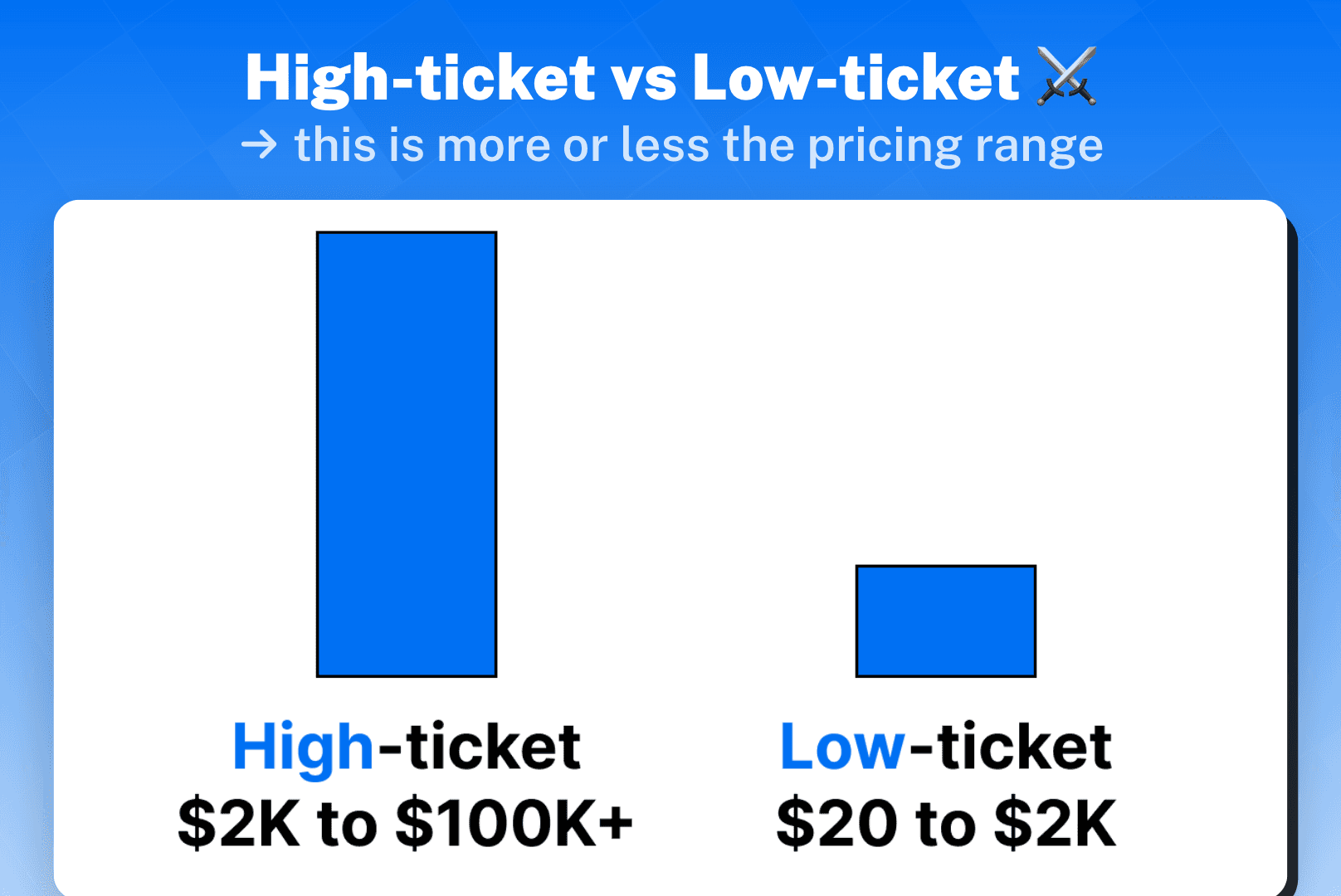
High Ticket Sales refers to selling products or services that typically cost $1,000 or more, often ranging from $3,000 to $100,000+. These offers usually include premium value such as personalized services, long-term programs, exclusive access, or transformational outcomes.
Unlike low-ticket sales, where volume matters most, high ticket sales focus on depth, trust, and results. You’re not convincing hundreds of people to buy something cheap—you’re helping a smaller number of serious clients make a confident investment in a high-value solution.
At its core, high ticket sales is about problem-solving at a high level. Clients aren’t paying for features; they’re paying for clarity, expertise, speed, and outcomes. When done correctly, it feels less like selling and more like guiding someone toward a decision that benefits them long-term.
Why High Ticket Sales Are So Powerful
One of the biggest advantages of high ticket sales is leverage. Instead of selling 1,000 products at $50, you can sell 10 offers at $5,000 and generate the same revenue with less stress, fewer customers, and higher profit margins.
High ticket sales also attract higher-quality clients. People who invest more tend to be more committed, more serious, and more likely to follow through. This leads to better results, stronger testimonials, and longer-term relationships.
Another powerful benefit is scalability. When your business is built around high ticket offers, you can grow without burning out. You don’t need massive ad budgets or constant content churn—just a clear offer, the right audience, and a strong sales process.
The High Ticket Sales Mindset
Before strategy comes mindset. High ticket sales require a strong internal belief system. If you don’t believe in your value, your pricing, or your ability to deliver results, prospects will feel it instantly.
Confidence in high ticket sales doesn’t mean arrogance—it means certainty. You must be certain that your offer solves a real problem and delivers a meaningful transformation. This certainty allows you to lead conversations calmly and professionally.
Another key mindset shift is understanding that price resistance is normal. High ticket buyers don’t expect cheap solutions. They expect clarity, leadership, and honesty. When you stop trying to “convince” and start focusing on qualification and alignment, sales become much smoother.
Understanding the High Ticket Buyer Psychology
High ticket buyers think differently than low-ticket buyers. They are not impulsive; they are intentional. They care deeply about trust, credibility, and long-term value.
These buyers are usually investing to save time, reduce risk, or achieve results faster. That’s why emotional intelligence plays such a big role in high ticket sales. Listening, asking the right questions, and understanding motivations matter more than pitching.
Most importantly, high ticket buyers want to feel safe in their decision. They’re not just buying your offer—they’re buying confidence in you. When you communicate clearly, address objections respectfully, and show genuine care, trust builds naturally.
Creating a High Ticket Offer That Sells
A strong high ticket offer is built around transformation, not deliverables. Clients don’t care how many calls or modules they get—they care about where they’ll be after working with you.
Clarity is everything. Your offer should answer three questions immediately:
Who is this for?
What problem does it solve?
What result can they expect?
Another key element is positioning. High ticket offers must feel exclusive and intentional. This doesn’t mean fake scarcity—it means being selective about who you work with and communicating that clearly. When people feel chosen rather than chased, perceived value skyrockets.
The High Ticket Sales Process Explained
High ticket sales usually follow a structured but flexible process. It often starts with lead generation through content, referrals, or partnerships, followed by a qualification step to ensure alignment.
The sales conversation itself is typically a consultative call, not a pitch. The goal is to diagnose the problem, uncover goals, and determine whether your offer is the right solution. Selling happens naturally when the fit is right.
After the call, clear next steps are essential. High ticket prospects appreciate professionalism—summaries, timelines, and confident follow-up. When you respect their decision-making process while maintaining leadership, closing becomes much easier.
Objection Handling in High Ticket Sales
Objections in high ticket sales are not rejections—they’re requests for clarity. Common objections include price, timing, and trust. Each of these reflects uncertainty, not lack of interest.
Instead of pushing back aggressively, experts lean into objections. They ask thoughtful questions, validate concerns, and help prospects see the cost of inaction versus the value of change.
One critical rule: never discount to close a high ticket sale. Discounting signals uncertainty and lowers perceived value. Instead, reinforce outcomes, alignment, and long-term benefits. High ticket clients respect firmness when it’s grounded in integrity.
Building Authority for High Ticket Sales
Authority is the foundation of high ticket success. People don’t pay premium prices to beginners—they pay experts who demonstrate experience, results, and leadership.
You can build authority through content, case studies, testimonials, and storytelling. Sharing real experiences—wins, failures, lessons—creates relatability while reinforcing expertise.
Consistency matters more than perfection. Showing up regularly with valuable insights positions you as someone worth listening to. Over time, prospects start pre-selling themselves before they ever speak to you.
Scaling with High Ticket Sales
Once your high ticket system works, scaling becomes strategic rather than chaotic. You can increase revenue by improving conversion rates, raising prices, or adding complementary premium offers.
Many businesses scale high ticket sales by building sales teams or appointment setters, but only after the founder has mastered the process personally. Systems should replicate success, not replace understanding.
The beauty of high ticket sales is sustainability. When done ethically and skillfully, it creates predictable income, deeper impact, and long-term business stability.
Final Thoughts on High Ticket Sales
High Ticket Sales is not about pressure, manipulation, or flashy tactics. It’s about clarity, confidence, and genuine value creation. When you focus on helping the right people solve meaningful problems, selling becomes a natural byproduct.
This model rewards expertise, communication, and integrity. It challenges you to grow—not just financially, but personally and professionally.
If you’re serious about building a business or career that pays well without burning you out, high ticket sales is not just an option—it’s a smart evolution.